Acupuncture

View of hand holding a painful lower back

Acupuncture Relief for Piriformis Syndrome

View of hand holding a painful lower back

One of my patients who is an avid cycler has had sciatica in both legs. When I performed the assessment, we determined it was coming more from his piriformis and gluteal muscles and not from his discs (that usually only affects one leg or the other). Piriformis Syndrome is a neuromuscular condition in which the piriformis muscle, located deep in the buttock, compresses or irritates the sciatic nerve. This can result in pain, tingling, or numbness that radiates from the buttocks down the leg, causing sciatica. Because of its overlapping symptoms with other conditions, Piriformis Syndrome is often misdiagnosed or overlooked, making effective treatment crucial. One promising therapy is acupuncture, which provides pain relief and supports functional recovery by addressing both muscle tension and nerve irritation.

UNDERSTANDING PIRIFORMIS SYNDROME

The piriformis muscle helps with rotation of the hip joint and stabilization during movement. When this muscle becomes tight, inflamed, or spasms, it can compress the sciatic nerve that runs underneath or through it. Common causes of Piriformis Syndrome include overuse from running, cycling, prolonged sitting, poor posture, or trauma to the area.

Symptoms often include:

  • Deep, aching buttock pain
  • Radiating leg pain (often causing sciatic nerve issues)
  • Pain worsened by prolonged sitting or climbing stairs or cycling
  • Reduced range of motion in the hip

HOW ACUPUNCTURE CAN HELP

Acupuncture, a key component of Traditional Chinese Medicine (TCM), involves inserting fine needles into specific points on the body to regulate the flow of qi (energy) and restore balance. For musculoskeletal conditions like Piriformis Syndrome, acupuncture can be highly effective for several reasons:

1. Pain Relief and Muscle Relaxation

Acupuncture stimulates the release of endorphins—your body’s natural painkillers—and improves blood circulation to the piriformis muscle. By targeting motor points (especially with electric stimulation) and trigger points, acupuncture can help the muscle release tension and reduce inflammation.

2. Reducing Nerve Irritation

Needling the piriformis and glute motor points and sciatic pathway can reduce irritation by decreasing surrounding muscle tightness and swelling. Electroacupuncture—where a small electric current is passed between acupuncture needles—has been shown to enhance these effects, particularly for nerve-related pain.

3. Restoring Function

Many patients with Piriformis Syndrome develop compensatory patterns due to chronic pain. Acupuncture helps retrain the neuromuscular system, promoting better posture and gait mechanics, which are essential for long-term recovery.

SCIENTIFIC SUPPORT

Several studies support acupuncture’s efficacy in treating conditions involving sciatic nerve irritation and musculoskeletal pain:

A 2020 randomized controlled trial published in Pain Medicine found that acupuncture significantly reduced pain intensity and improved physical function in patients with sciatica compared to conventional treatments.

Research published in The Journal of Alternative and Complementary Medicine (2015) showed that electroacupuncture led to significant pain relief in patients with gluteal and lower back pain syndromes, often associated with Piriformis Syndrome.

While more targeted research on Piriformis Syndrome specifically is needed, the overlap with sciatica and other neuropathic pain conditions makes acupuncture a valuable and safe complementary therapy.

WHAT TO EXPECT FROM TREATMENT

An acupuncture session for Piriformis Syndrome often includes:

  • Needles in the piriformis and buttock muscles, lower back, and hip region
  • Electroacupuncture targeting tight or spasming muscles
  • Possible distal points on the hands or feet to help modulate the nervous system
  • Heat therapy or cupping to further relax the area

Patients may feel relief after just a few sessions, though a typical treatment plan involves weekly sessions for several weeks depending on the severity.

COMPLEMENTARY SELF-CARE TIPS

  • Gentle piriformis and hamstring stretches
  • Avoiding prolonged sitting or using a standing desk
  • Applying heat or using foam rollers to reduce muscle tightness
  • Strengthening exercises under professional guidance

Acupuncture offers a non-invasive, drug-free approach to managing Piriformis Syndrome by targeting both the muscular and neural components of the condition. When combined with lifestyle changes and rehabilitative exercises, it can play a vital role in reducing pain, restoring function, and improving quality of life.

Acupuncture Relief for Piriformis Syndrome Read More »

Acupuncture For Pinched Nerves: Natural and Non-Surgical Relief Through An Ancient Approach

Diagram of a human spine with a pinched nerve

I’ve been seeing my share of pinched nerves lately. A pinched nerve—often described as radiating pain, numbness, tingling, or weakness—can result from pressure applied to a nerve by surrounding tissues like bones, cartilage, muscles, or tendons. Common causes include herniated discs, arthritis, repetitive motions, or even poor posture. These nerve compressions can occur in various areas of the body, especially in the neck, lower back, and wrists. Conventional treatment often involves anti-inflammatory medication, physical therapy, or surgery. In severe cases, acupuncture offers a natural and effective alternative that’s gaining scientific recognition.

UNDERSTANDING PINCHED NERVES

Pinched nerves disrupt normal nerve function, leading to pain or discomfort.  Common examples include:

  • Cervical radiculopathy (neck)
  • Lumbar radiculopathy (lower back)
  • Carpal tunnel syndrome (wrist)
  • Sciatica (buttocks and leg)

Left untreated, the pressure on the nerve may lead to chronic pain, permanent damage or muscle atrophy.

HOW ACUPUNCTURE HELPS

Acupuncture works by stimulating specific points on the body to promote healing, reduce inflammation, tightness, pain, swelling, and spasm, returning the body to balance. By stimulating specific Sports Medicine Acupuncture points I am able to reset the tension and length of a specific group of muscles, that may be impinging or pinching upon a nerve causing pain, numbness, tingling, weakness, reduced range of motion, or referred pain further away from the site of impingement. Using the “reset points” this technique is very effective at returning a spastic group of muscles to their relaxed and lengthened state, increasing range of motion, reducing nerve pain, and more quickly returning the active person to their sports and activities.

For pinched nerves, acupuncture with electric stim is also effective at:

  • Reducing inflammation around the compressed nerve
  • Relieving muscle tension that might be contributing to the compression
  • Promoting blood flow to the affected area for faster healing
  • Interrupting pain signals being sent to the brain

SCIENTIFIC RESEARCH SUPPORTING ACUPUNCTURE FOR NERVE COMPRESSION

Numerous studies support acupuncture as an effective intervention for nerve-related pain:

  • A 2020 systematic review published in Pain Medicine found acupuncture to be significantly more effective than conventional treatments for cervical radiculopathy, with improvements in pain and neurological function.
  • In a 2019 study from Neural Regeneration Research, electroacupuncture (a form of acupuncture that uses electrical stimulation) improved nerve repair and pain thresholds in rats with sciatic nerve injury.
  • A 2015 randomized controlled trial published in Journal of Pain Researchfound acupuncture significantly improved symptoms of carpal tunnel syndrome compared to sham acupuncture, with fMRI showing changes in brain activation consistent with nerve recovery.

These studies suggest acupuncture not only provides symptomatic relief but also contributes to physiological healing of nerve tissue.

WHAT TO EXPECT DURING TREATMENT

A licensed acupuncturist will first perform a thorough evaluation, including TCM diagnosis and discussion of symptoms. Treatment typically involves:

  • Needle insertion at both local (near the site of pain) and distal points
  • Possible use of electroacupuncture for stronger nerve stimulation
  • Heat therapy or moxibustion to enhance circulation
  • Lifestyle or ergonomic advice to prevent recurrence

Patients often report a reduction in pain after just a few sessions, with continued improvements over 4–6 treatments depending on severity.

WHEN TO CONSIDER ACUPUNCTURE

You might benefit from acupuncture if you:

  • Prefer drug-free, minimally invasive treatment
  • Experience persistent nerve pain despite other therapies
  • Want to complement physical therapy or chiropractic care
  • Seek a holistic approach to healing

Acupuncture offers a time-tested, evidence-backed alternative for those suffering from pinched nerves. By promoting circulation, easing muscle tension, and enhancing nerve recovery, acupuncture not only relieves pain but also supports long-term healing. As more healthcare providers recognize its value, acupuncture is becoming an essential part of integrative treatment plans for nerve-related conditions. Always see a Licensed Acupuncturist (L.Ac.) when seeking acupuncture.

Acupuncture For Pinched Nerves: Natural and Non-Surgical Relief Through An Ancient Approach Read More »

Ergonomic Workspace

Create an Ergonomic Workspace in Your Home

Ergonomic is defined as “relating to or designed for comfort and efficiency in the working environment.”  The idea is to improve productivity and comfort by applying design concepts that reduce chronic strain and the risk of injuries.  With COVID-19 and the necessity of working from home people are discovering that their home office space, or dining table, is not comfortable and causes aches and pains when used for many hours per day.  

I am seeing many people with injuries resulting from chronic musculoskeletal strain that is aggravated by improper support from seating, poor lighting, repetitive motions, and improper positioning of keyboards and monitors.  This is an area of special interest for me and I offer effective treatment for musculoskeletal problems, headaches, pain and stiffness resulting from chronic strain and injuries as well as guidance on how to apply ergonomic concepts in your workspace whether at home or at your place of work.

Tips:

  • Don’t rely on websites alone to choose office chairs. I have checked out chairs advertised online as being supportive and comfortable and they turned out to be neither when I sat on them in the store.  Let your butt and back decide, not the cheap price online or the cool looks.
  • Like your mother said, “Don’t slouch!”  This stresses the low back and gluteal muscles.
  • The same principles for comfort and to reduce stress apply to your leisure seating as well.
  • Choose computer monitors that are large enough and have a high definition screen to reduce eye fatigue.  Have adequate lighting in the room, preferably lamps providing local light and not overhead fluorescents that promote eye strain due to glare and a lack of contrast. Monitor and keyboard position and height is important as well.
  • Stretch and move about frequently to keep muscles loose and improve circulation. 

Create an Ergonomic Workspace in Your Home Read More »

Acupuncture & Chinese Medicine for Viral Infections

No herbal or other natural medicines have been tested or approved in the United States with respect to treating or preventing COVID-19 infection. Chinese medicine has been successfully treating people with infectious diseases for thousands of years, long before anyone knew about viruses or bacteria. Based on research in China and Europe as well as my own experience, acupuncture combined with anti-viral herbal remedies has proven effective at preventing the on-set of infection, minimizing symptoms, and speeding recovery from colds and the flu.

Acupuncture can be used to help balance and enhance the immune system, making it stronger to reduce the chances of becoming ill with a virus. It is beneficial even if you are feeling well to strengthen your immune resistance, and can be especially helpful for those who have underlying problems, high stress and fatigue. If you believe you are becoming ill with or have been exposed to influenza or another infection it is best to remain home to avoid spreading the infection. The herbal medicines described below can be taken at home.

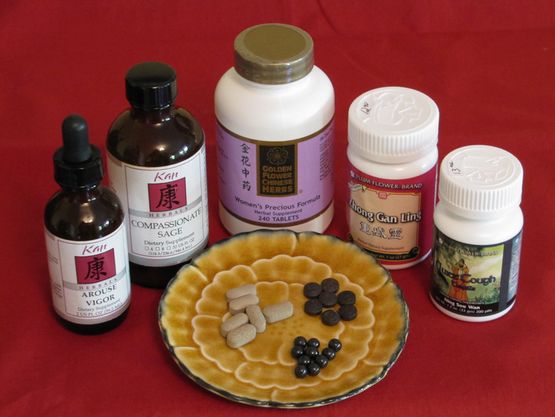
Chinese herbal medicines have been used for over 2000 years to both prevent and treat viral diseases and other infections. Many formulas have been updated to optimize response to modern diseases. They have proven effective in research in China, and in my own clinical experience, for treating the flu and other infections, and can be used prophylactically to help prevent illness especially if exposed during airplane travel, at work, school, or when a family member brings a virus home. The herbal remedies are also effective at treating active infections, and can help resolve the infection more quickly.

German biological medicines have been developed by researchers in Germany to treat a wide range of conditions including viral diseases. They utilize plant and microbial substances in unique combinations and are based on extensive laboratory and clinical research. In my clinical experience they are extremely effective at preventing and treating viral and bacterial diseases for many conditions. I am seeing excellent results with these medicines, and use them independently or in combination with Chinese herbal formulas as an amazing “work horse” against respiratory disease.

Choosing the right formulas is most effective when done by a trained practitioner based on the health and symptoms of each individual. I can provide you with instructions on how to use them for both prevention and treatment should you become ill. Phone consultations are available. If you are sick please arrange to have a family member or Lyft/ Uber pick up the remedies.

Call or Email Us Today!

Visit the Soaring Crane Acupuncture Website
Privacy Policy

Acupuncture & Chinese Medicine for Viral Infections Read More »